 HuyEco - Coffee & Culture
HuyEco Coffee & Culture – Sustainable coffee, experiential learning, and local connections in Da Lat. From soil to cup, we grow with purpose.
HuyEco - Coffee & Culture
HuyEco Coffee & Culture – Sustainable coffee, experiential learning, and local connections in Da Lat. From soil to cup, we grow with purpose.
HuyEco - Coffee & Culture
HuyEco Coffee & Culture – Sustainable coffee, experiential learning, and local connections in Da Lat. From soil to cup, we grow with purpose.
HuyEco - Coffee & Culture
HuyEco Coffee & Culture – Sustainable coffee, experiential learning, and local connections in Da Lat. From soil to cup, we grow with purpose.
Bài tiếng Việt tại đây: Thực hành cà phê bền vững tại Đà Lạt: Bài học từ vùng cao nguyên | HuyEco.vn
Coffee in Vietnam is more than a drink — it is a livelihood, a culture, and increasingly, a question of sustainability. In the highlands of Da Lat, farmers are rethinking how coffee should be grown, moving away from chemicals and toward practices that protect soil, biodiversity, and community health.
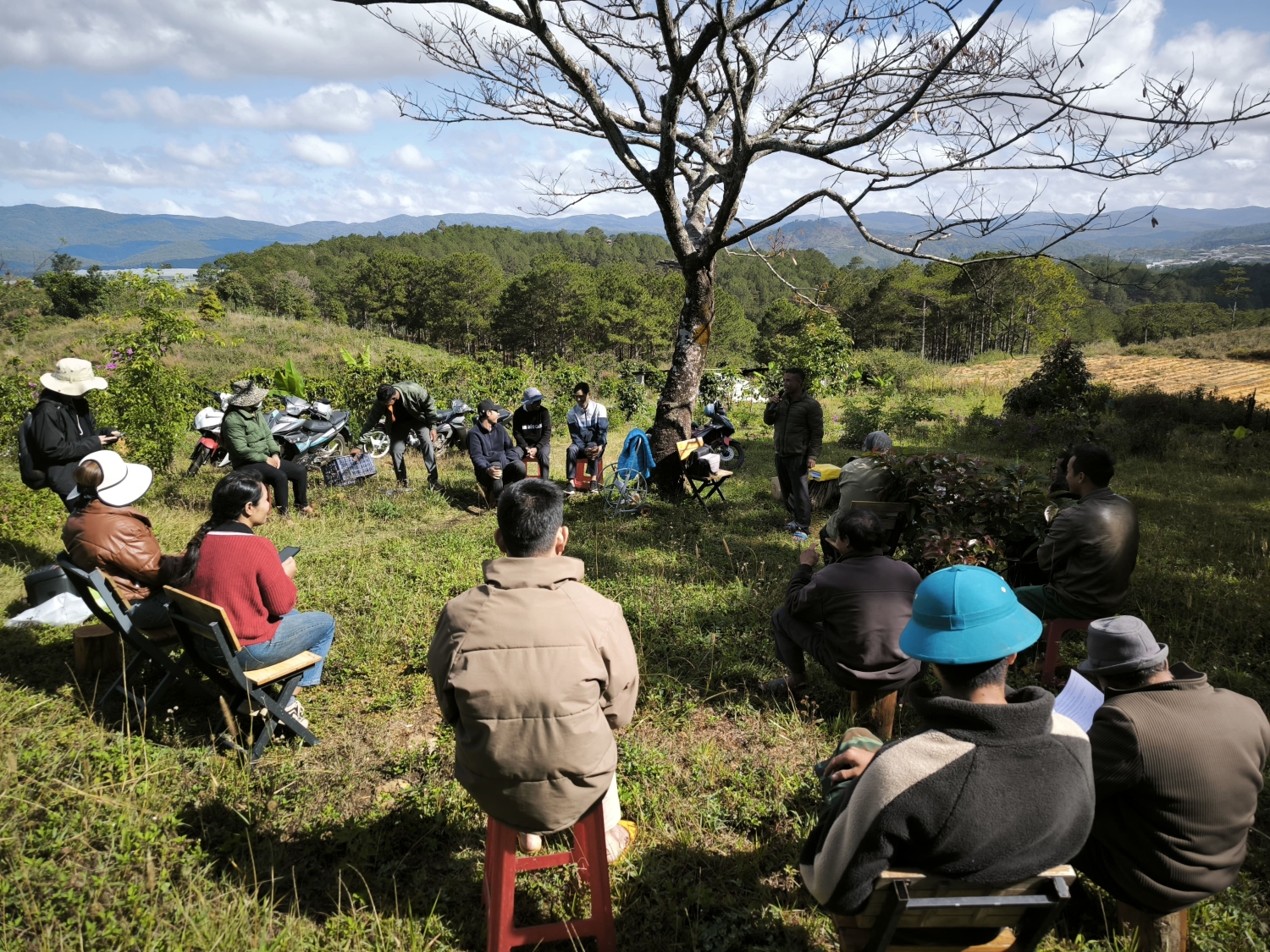
Pruning Arabica coffee is a key step in sustainable farming. This practice helps balance growth, improve yield quality, and protect biodiversity in Da Lat’s highlands
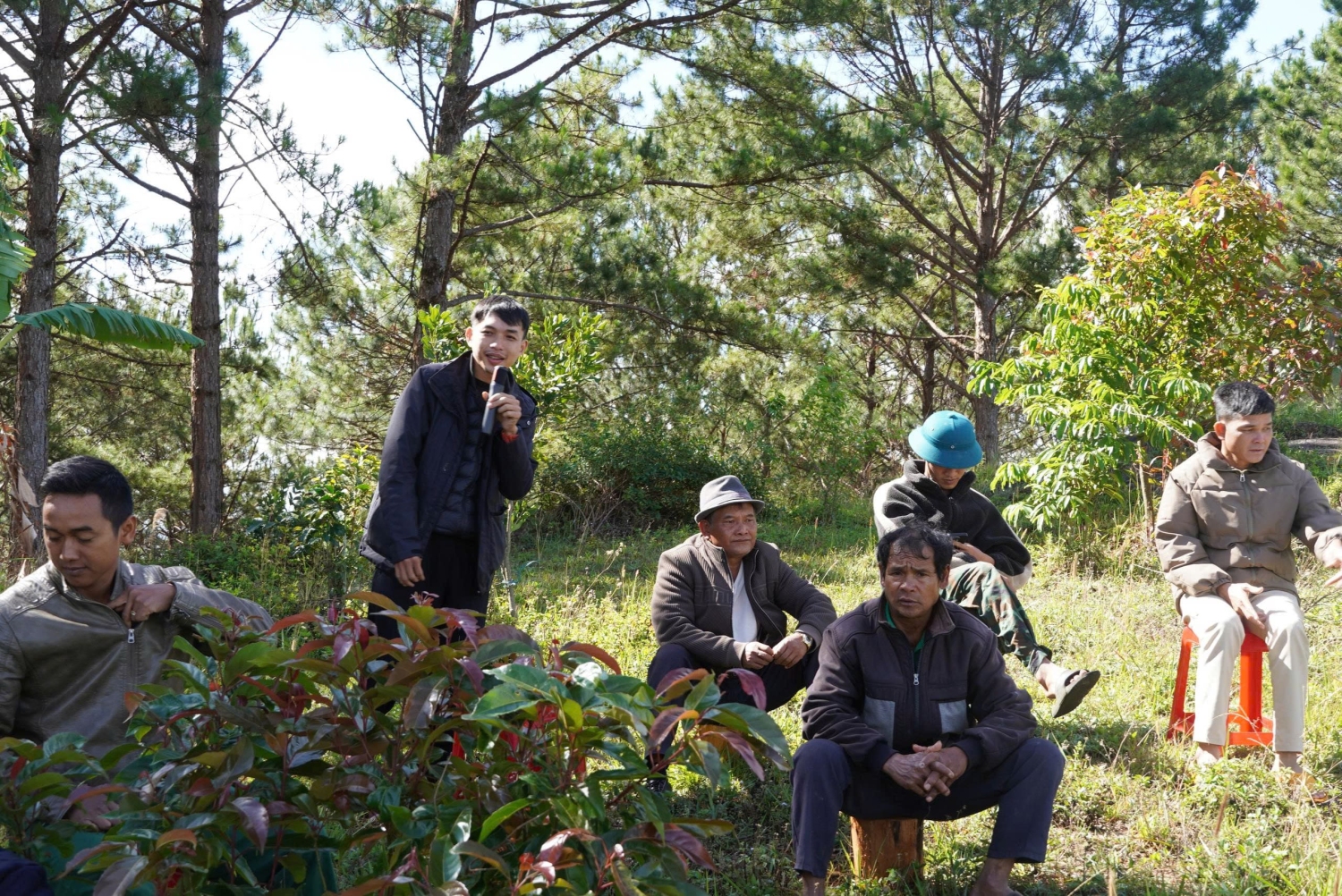
For decades, herbicides were seen as a shortcut to manage weeds. Yet their long‑term impact on soil health and human wellbeing is undeniable. Farmers in Lang Biang ward and Đưng K’Nớ commune are now shifting toward grass management and pruning techniques that keep farms balanced without chemicals.
This change is not only ecological — it is cultural. Many farmers remember the legacy of toxic chemicals in Vietnam’s past. Today, they are choosing a different path: investing in soil regeneration and biodiversity instead of dependency on imported herbicides.
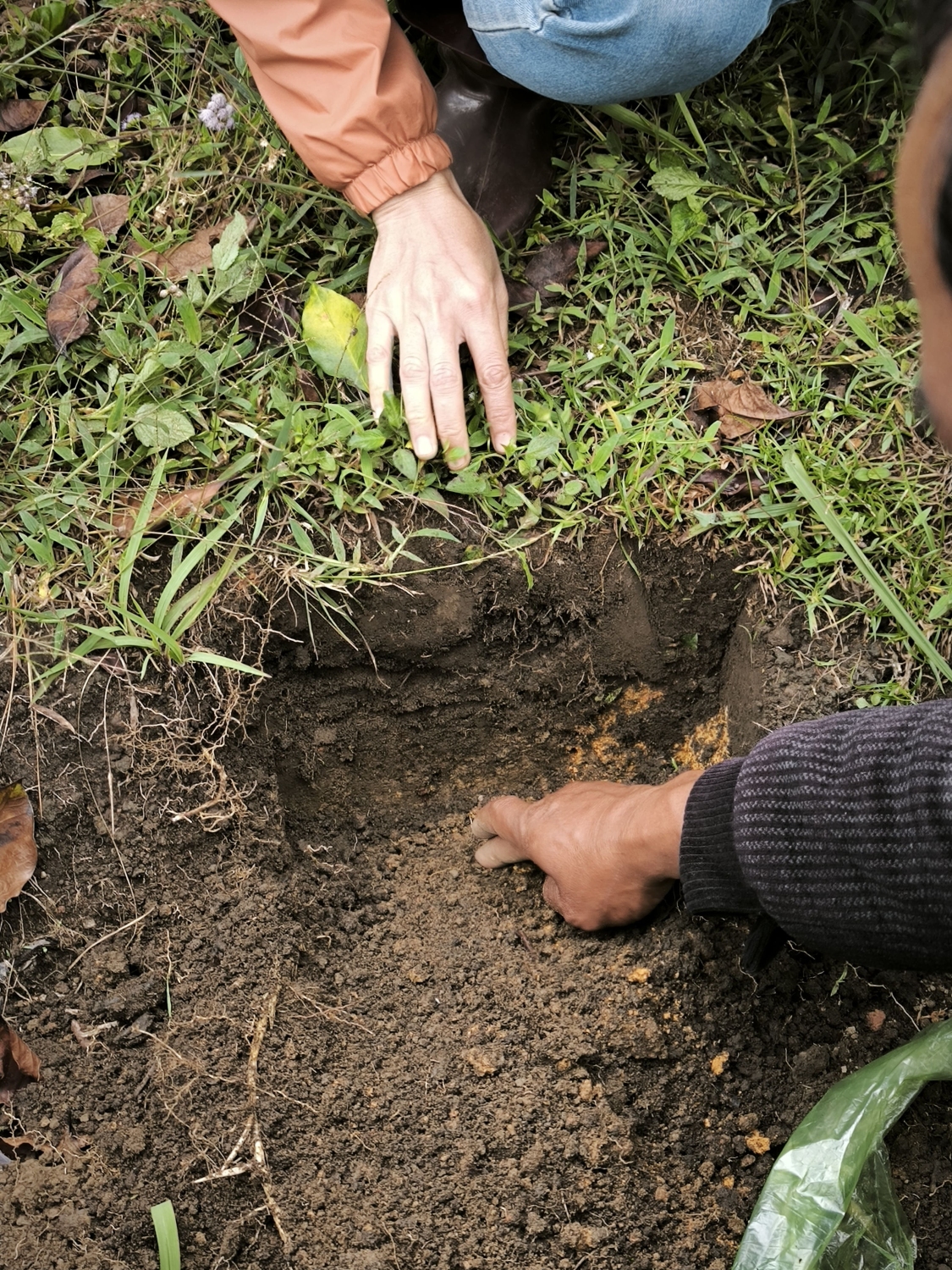
One of the most visible results of sustainable farming is the soil itself. After 3–5 years without herbicides and with the use of organic compost, humus levels have improved significantly. Coffee trees are stronger, more resilient, and better able to withstand pests and climate stress.
A key lesson shared among farmers is the importance of proper composting. Fresh chicken manure, if applied directly, can damage or even kill plants. By fermenting and composting manure first, harmful microorganisms are eliminated, and nutrients become available in a safe form for the coffee trees.
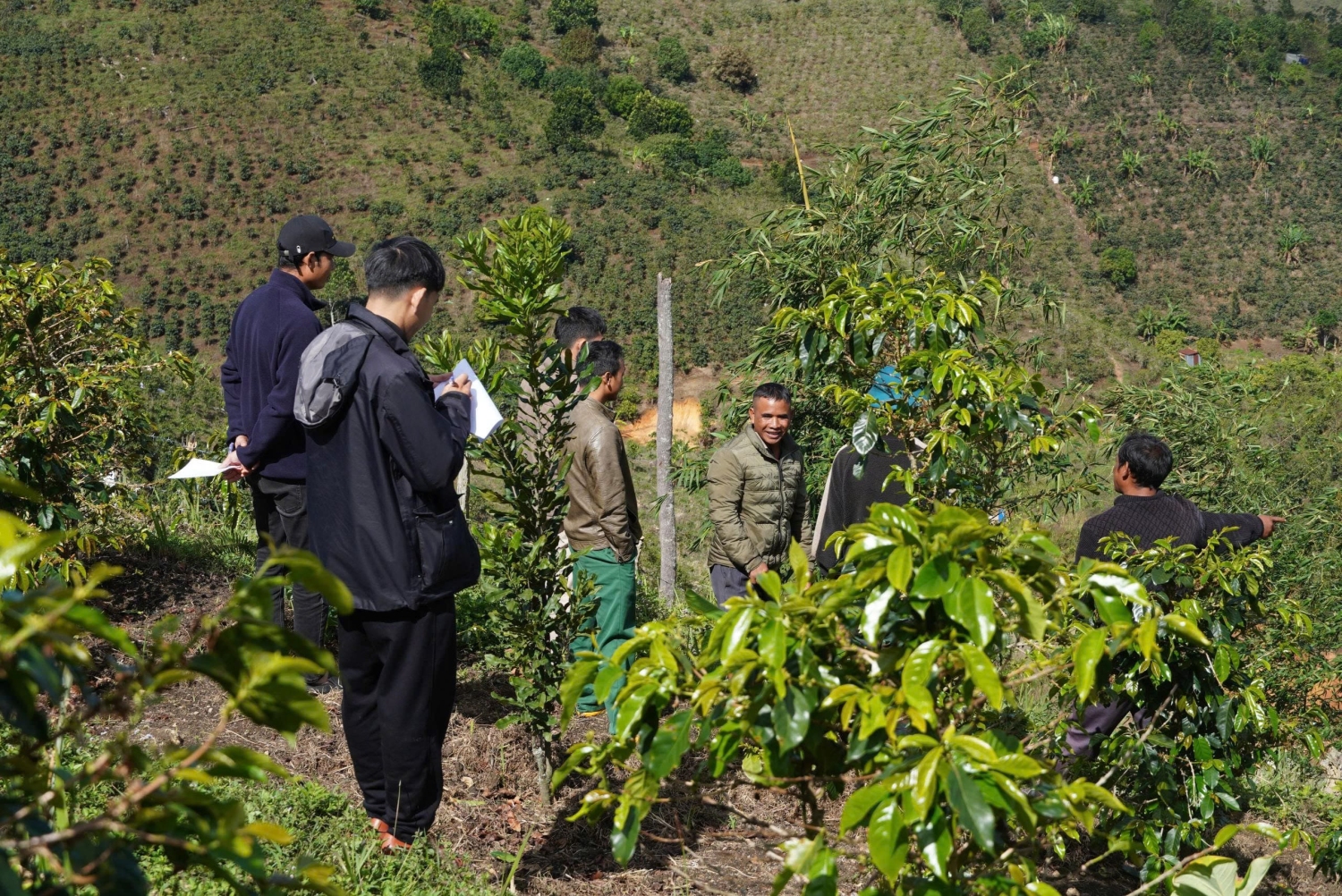
Pests such as mosquito bugs remain a challenge. Instead of relying on chemicals, farmers are experimenting with balanced fertilization and careful pruning. By reducing excessive young leaves and keeping trees healthy, pest outbreaks can be minimized. This approach emphasizes prevention and resilience rather than reaction.
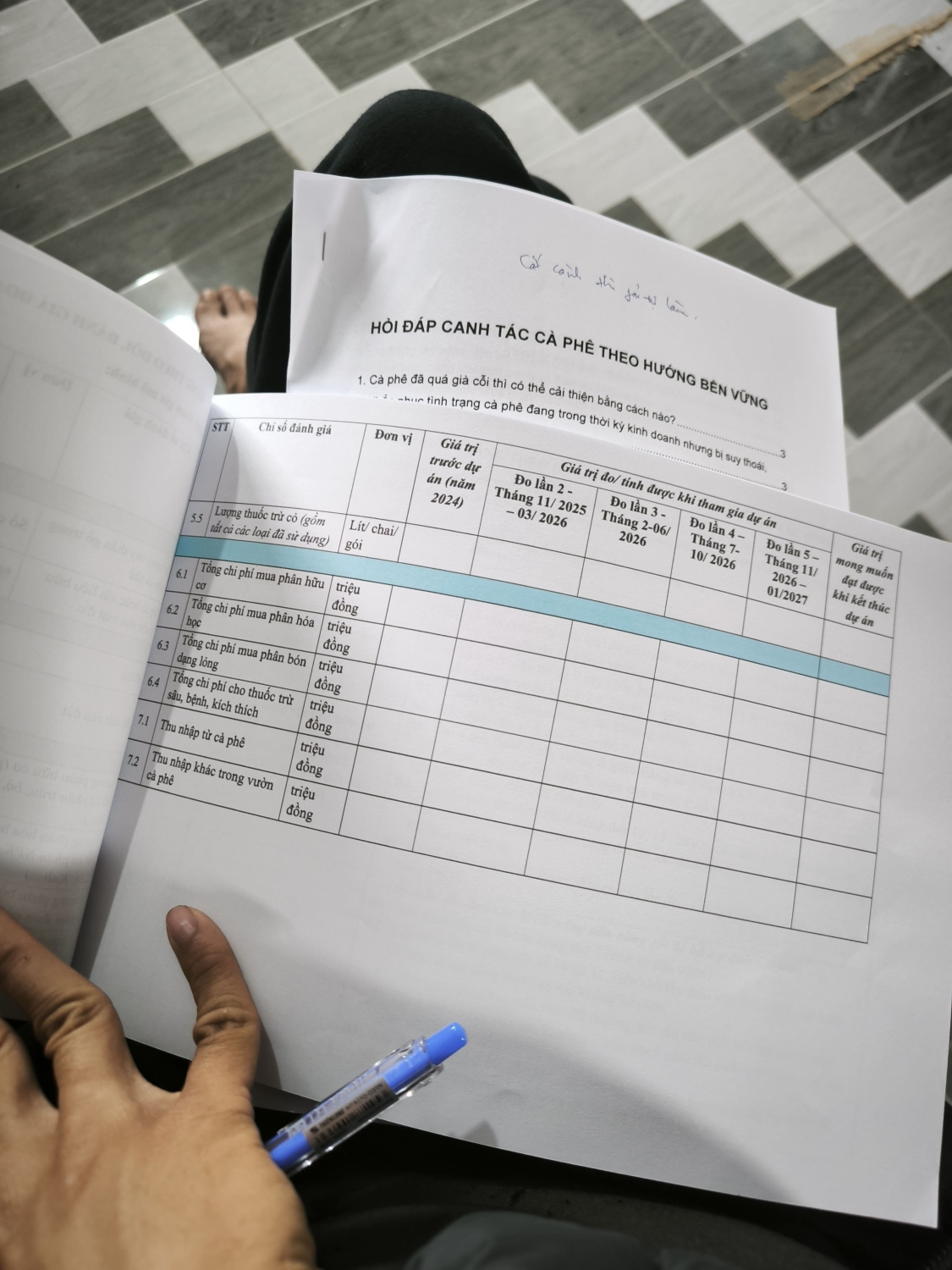
Sustainability is not only about farming techniques — it is also about economics. With support from RECOFT, farmers are now keeping notebooks to track costs and income. This simple tool helps them compare chemical‑based farming with sustainable methods, understand household economics, and plan for savings and investment.
Such awareness is crucial. As global coffee prices rise, farmers who adopt sustainable practices are better positioned to benefit, while also protecting their land for future generations.
The discussions in Lang Biang and Đưng K’Nớ highlight a collective journey: farmers learning from each other, celebrating progress, and facing challenges together. Sustainable coffee is not a single technique, but a mindset — one that values soil, community, and long‑term resilience.
For travelers, these lessons are not abstract. At HuyEco Coffee & Culture in Da Lat, you can join guided tours to visit farms, meet local farmers, and taste coffee grown through these sustainable practices. Behind every cup is a story of resilience, innovation, and cultural pride — and we invite you to be part of it.
📍 HuyEco Coffee & Culture
Alley 29, 3/4 Street, Ward 3, Da Lat, Vietnam (link Google Map)
🕒 Open daily: 8:00 AM – 6:00 PM
🚐 Parking available for 16-seat vehicles (please contact in advance)
💳 Payment: cash, local bank transfer, PayPal, Wise
🌐 Book a Coffee Tour: huyeco.vn/coffee-tour
📦 Order Our Coffee
📹 YouTube: HuyEco Coffee & Culture
🌐 External Links
Reader Comments
Newer articles
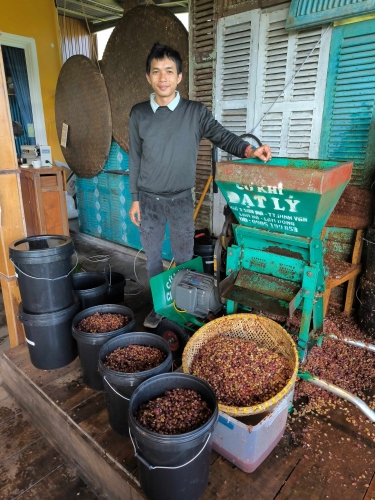
With 1‑ton/hour capacity, it transforms ripe cherries into beans for Honey and Washed processing. Visitors can witness the first step of coffee’s journey and learn how cascara and compost close the loop of sustainability.
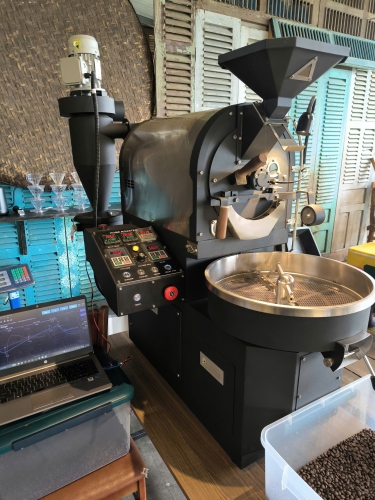
At HuyEco Coffee & Culture in Da Lat, our 1.5kg gas‑powered roaster transforms green beans into specialty coffee. Each batch is carefully controlled to highlight the unique flavors of Arabica and Robusta, while coffee husks are recycled into compost — closing the loop of sustainability. Visitors can watch the roasting process, smell the aroma, and taste the transformation during our eco‑friendly coffee tours.
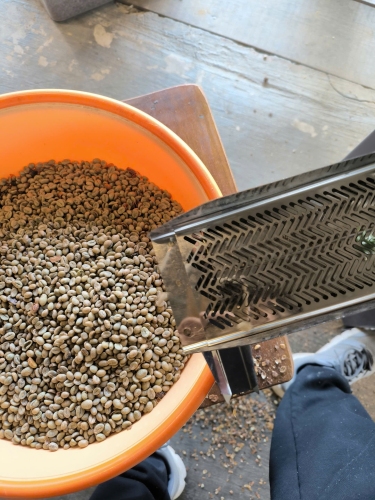
Discover sustainable coffee in Da Lat at HuyEco Coffee & Culture. See hulling machines in action, learn how husks become compost, and experience eco‑friendly tours rooted in local culture.

Explore sustainable coffee farming in Da Lat with local K’Ho farmers. Learn how organic compost, soil health, and eco‑friendly practices shape Arabica and Robusta coffee. Join HuyEco Coffee & Culture to experience farm‑to‑cup sustainability.
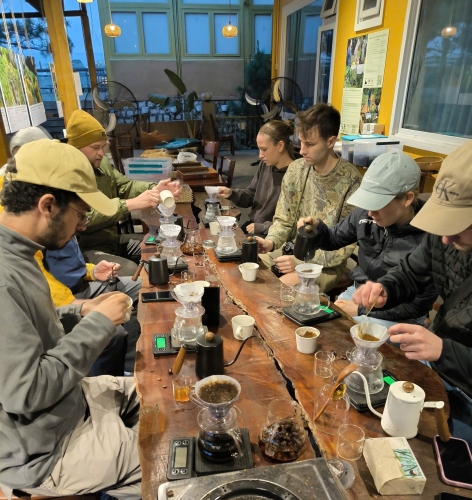
Enjoy specialty coffee at HuyEco Coffee & Culture near Da Lat center. Visit our café, explore the coffee museum & exhibition, and taste Arabica & Robusta from sustainable farms.
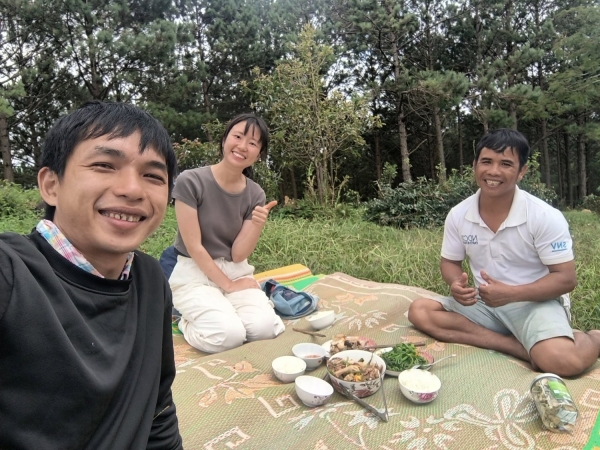
Discover the story of farmer Cường in Da Lat, Vietnam, and how Huyeco partners with smallholder farmers to grow Arabica coffee sustainably — without chemicals, with compost, and with deep respect for local culture
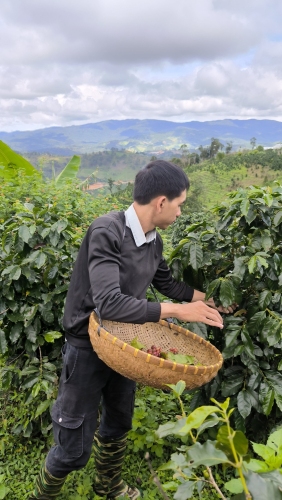
Discover HuyEco’s 2025 sustainable coffee plan in Da Lat — featuring ripe cherry picking, honey processing, ethnic farmer partnerships, and zero-waste Cascara tea. Transparent, ethical, and climate-resilient from farm to cup.
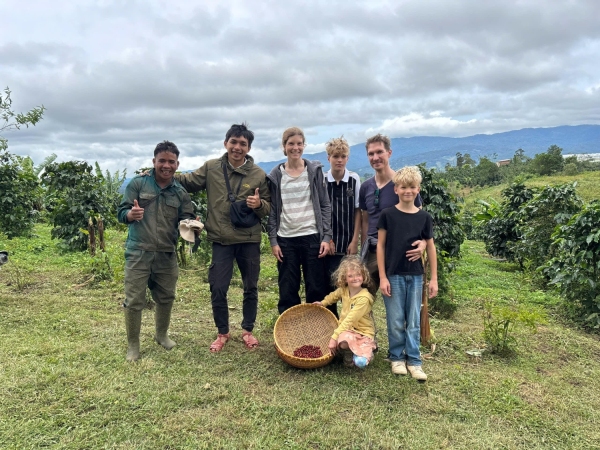
Join our half-day coffee tour in Da Lat and explore sustainable farming, biodiversity, and local culture. Learn how Arabica and Robusta are grown, harvested, and roasted with care — from soil to cup.

Explore Vietnam’s most authentic coffee experience in Da Lat. Join HuyEco’s farm-to-cup tours, taste organic beans, and learn about sustainable farming directly from the grower.

Explore the real-life challenges and hopes of coffee farmers in Da Lat. From strip-picked commercial harvests to raised-bed drying and chemical-free ecosystems — this story reveals what sustainable coffee truly means, and why HuyEco is committed to making it possible.


